

Patient care doesn’t happen in a vacuum. Behind every visit is a long list of operational steps—scheduling, messages, insurance checks, documentation, follow-ups—that have to run smoothly for the clinical side to work.
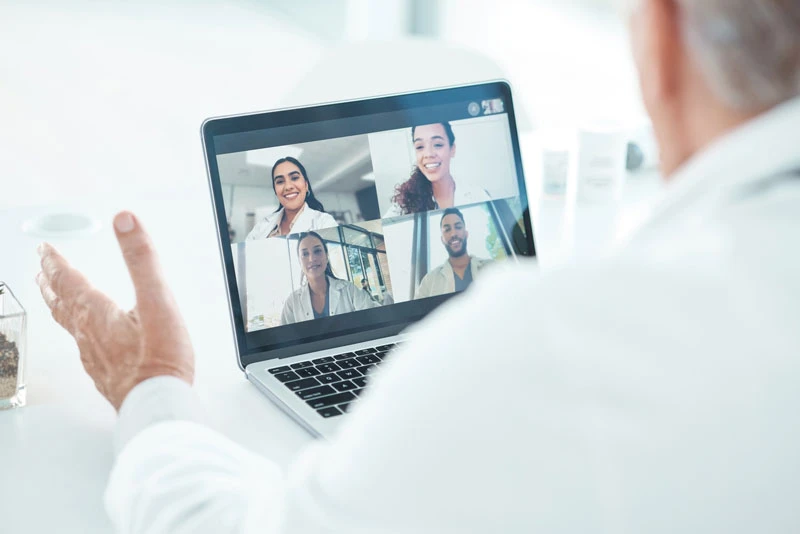
As technology has improved, more healthcare organizations are finding smart ways to strengthen those workflows without piling more onto in-office staff. One option that continues to gain traction is adding remote, virtual administrative support into an existing team structure.
These remote team members help practices stay organized and responsive—handling routine operational tasks that can easily overwhelm a front desk or pull clinical staff away from patient care. And when the support is structured well, it can make the entire day feel more manageable.
Below are five practical benefits healthcare providers and practice leaders often see when they bring in remote support—especially when it’s partnered with a well-established staffing and support organization like My Mountain Mover.
1. More cost control without sacrificing consistency
In healthcare, controlling overhead while maintaining a high-quality patient experience is a constant balancing act. Adding remote support can be a practical option because it helps expand operational capacity without the same facility and equipment costs tied to additional on-site hiring.
It can also improve the consistency of routine administrative work. When documentation, data entry, scheduling workflows, and follow-up steps are handled with care and attention to detail, practices often see fewer avoidable errors—and a smoother day overall.
2. Less administrative overload for providers and in-office teams
Burnout isn’t always caused by clinical workload alone. In many practices, it’s the constant overflow of administrative tasks—messages, forms, calls, refills, authorizations, reminders—that creates the feeling of never catching up.
Remote support can take pressure off by absorbing the repetitive, time-consuming work that doesn’t require a provider’s direct attention. That helps clinicians and in-office teams spend more of their day on patient-facing priorities instead of backlogs and interruptions.
3. Access to specialized operational skill sets
Some tasks require very specific experience—billing support, coding-related administration, transcription workflows, data cleanup, insurance verification routines, and more. Depending on the local market, finding someone with the right background can be difficult.
Remote hiring expands the talent pool. It allows practices to prioritize capability and fit over geography, and it can bring in operational experience that helps tighten workflows and improve accuracy. Over time, that kind of support can strengthen the entire administrative foundation of the practice.
4. Flexibility as needs shift week to week
Healthcare operations are rarely static. Patient volume changes, staffing gaps happen, tools get updated, and priorities shift quickly. Remote support can give practices more flexibility to adjust coverage and responsibilities as things evolve.
Many virtual team members can also support more than one workflow area—especially when they have strong technical comfort and process discipline. That versatility can help a practice stay productive without constantly needing to add more roles.
5. Built-in support that makes remote staffing easier to manage
A common concern with remote staffing is the fear that it will create more management work—more training, more monitoring, more administrative upkeep.
That’s why the structure around the role matters. When practices work with an organization like My Mountain Mover, they don’t just get a team member—they also gain an internal support system designed to make the relationship easier to run day to day.
That support commonly includes areas like HR, compliance oversight, account management, payroll handling, and IT assistance—so practice leaders can focus on outcomes and workflow improvements, not administrative maintenance.
Adding remote support can change how a healthcare organization operates—not by replacing the in-office team, but by strengthening the workflows that keep the practice moving. The benefits often show up in simple ways: fewer bottlenecks, faster response times, less chaos during busy hours, and a more sustainable workload for everyone involved.
As healthcare continues to evolve, virtual work models are becoming a normal part of how practices build resilient operations. With the right structure, the right expectations, and the right support around it, remote staffing can become a steady long-term advantage—for providers, staff, and patients alike.