


Every denied insurance claim doesn’t just mean insufficient or delayed reimbursement. It also means that you or your staff will likely spend additional hours correcting billing errors and resubmitting claims. With 60% of medical group leaders experiencing a higher rate of claim denials in 2024, many doctors are reassessing their practice’s billing model.
A healthy and steady cash flow is necessary so that practices can continue providing the level of care their patients need. However, collecting payment for the services you render requires more than just submitting insurance claims. From coding visits accurately to following up on denied claims and posting payments, medical billing requires time, expertise, and consistent attention to detail.
As your practice grows, so do your billing responsibilities. While hiring an in-house medical biller is often the traditional approach, many healthcare organizations are also choosing outsourced medical billing to support their revenue cycle.
But how much does it actually cost to outsource medical billing? Will outsourcing help you save money? How does it compare to managing billing internally?
Why Does Medical Billing Cost More Than You Think?
You probably find yourself focusing on monthly expenses or staff salaries when comparing billing options. However, both numbers are only part of the total investment. Whether you’re thinking of managing billing by yourself or working with a third-party biller, there are additional operational costs that make or break your practice’s overall spending.
Medical billing is a task that requires a specific level of knowledge and competence. Ideally, your biller should know the ins and outs of different billing software, standard practices, and coding regulations. Moreover, they should be excellent communicators because the role involves liaising with insurance companies. But apart from these qualities, you’ll also need to invest time and effort into managing or optimizing your existing workflows and making sure your billers complete their tasks accurately and promptly.
For these reasons, evaluating the true cost of medical billing is more than just looking at how much it will cost upfront. Understanding the operational responsibilities behind each approach can help you determine which solution provides the greatest long-term value for your practice.
What Does In-House Medical Billing Really Cost?
For many healthcare organizations, hiring an in-house medical biller provides greater oversight of the revenue cycle. Since billing is performed physically in your practice, communication between billers and administrative staff is often more direct, making it easier to keep billing workflows aligned with how your team operates. But while in-house billers cost more than their outsourced counterparts, their salary is only one part of the overall investment.
Training
Given how critical accurate coding and proper submissions are to billing, medical billers must stay updated with coding updates, payer requirements, and regulatory changes. This means that as a practice leader, you’ll need to prioritize continuing education for your billers because billing requirements are constantly changing.
Moreover, training doesn’t just cost money because it also requires time. Whether your biller is learning a new coding requirement or adjusting to changes from a payer, you’ll need to give them enough time to complete the necessary training.
Benefits
On top of their monthly salary, you should also take into consideration employment expenses like benefits and taxes. While these are standard costs that come with hiring an employee, they still add to what your practice actually spends on an in-house medical biller.
There are also infrastructural expenses to keep in mind. Since your biller works physically inside your practice, you’ll need to provide them with a dedicated working space and the equipment they need to perform their responsibilities.
Turnover
If your medical biller leaves, you’ll need to spend additional time and money recruiting and onboarding a replacement. You’ll also need to get the new employee familiar with your existing workflows before they can perform their responsibilities independently.
But your billing responsibilities don’t stop while the position is vacant. Until you find and train a replacement, you’ll either need to redistribute the workload among your existing staff or find temporary support to keep your billing operations moving.
These expenses don’t necessarily make in-house billing the wrong choice because for many doctors, having a biller they can physically see working is the way to go. However, understanding the additional considerations that come with hiring one can help explain why other doctors are considering outsourced medical billing as an alternative.
How Does Outsourced Medical Billing Pricing Work?
Often performed by a medical virtual assistant, outsourced medical billers typically charge as a service. Depending on the freelance talent or the VA company, their pricing may be based on a percentage of collections, a flat monthly fee, or a combination of both.
With percentage-based pricing, you pay your biller a portion of the revenue they successfully collect for your practice. This means that how much you pay them will increase or decrease depending on your collections, making it a more flexible option if your practice has a lower or less consistent billing volume.
On the other hand, a flat monthly fee stays the same regardless of how much your practice collects. While this makes your billing expenses more predictable from month to month, you’ll still pay the same amount during periods when your billing volume is lower. For this reason, practices with a consistently higher volume may get more value from a flat fee than paying an ongoing percentage of their collections.
Some billers also use a combination of both by charging a base monthly fee plus a percentage of collections. Ultimately, which pricing model costs less will depend on your practice’s billing volume, how consistent it is, and the actual rates being offered.
Moreover, the inclusions in their price may also vary. Some virtual billers only do claim submission, while others also handle additional tasks, such as managing payment posting, reporting, and other revenue cycle responsibilities. VA providers tend to vary as well. For example, some VA companies provide you with just a VA, while others like My Mountain Mover offer inclusions such as an account manager for ongoing support and a HIPAA officer for maximum compliance.
Because of these differences, comparing talents or VA providers based on price alone will not give you an accurate picture of the value they bring to the table.
In-House or Outsourced Medical Billing?
While both approaches help you achieve the goal of improving your practice’s revenue cycle, the ideal one will ultimately depend on how your practice operates and what it needs.
In-House Medical Billing
Managing billing internally gives your practice direct oversight of the revenue cycle. Since your biller works alongside your providers and administrative staff, communication is often immediate, and billing processes can be adjusted as your workflow evolves.
However, maintaining an in-house billing department also means managing the responsibilities that come with employing staff. Beyond recruiting and onboarding, your practice remains responsible for ongoing training, performance management, payroll, and maintaining billing operations during employee absences or turnover.
Outsourced Medical Billing
Choosing to outsource medical billing services shifts many of those administrative responsibilities to your billing partner. Instead of building and maintaining an internal billing department, your practice works with an external team that specializes in revenue cycle management.
As your practice grows, this approach may also make it easier to scale your billing support without repeating the hiring and onboarding process for every additional team member. Many providers have established workflows and dedicated billing professionals who can help practices manage increasing claim volumes while allowing internal staff to focus on other operational priorities.
Neither approach is inherently better than the other. While some practices value the direct oversight that comes with an in-house team, others prefer the flexibility and operational support that outsourced medical billing can provide. Ultimately, the right solution depends on what best aligns with your practice’s needs.
ROI Calculation: Revenue Cycle Efficiency vs. Administrative Costs
To determine whether outsourcing medical billing is worth it for your practice, compare what you currently spend on in-house billing with what an outsourced provider would charge at your current collection volume.
| Cost | In-House Medical Billing | Outsourced Medical Billing |
| Base cost | Biller’s salary | Flat monthly fee or percentage of collections |
| Benefits and payroll taxes | Add these to the biller’s salary | Typically included in the service fee |
| Training | Include ongoing training expenses | |
| Equipment and workspace | Include equipment and dedicated workspace costs | |
| Total monthly cost | Add all applicable costs above | Flat fee or collection rate × average monthly collections |
Once you have both totals, compare the difference with how each option affects your revenue cycle. Cost savings alone don’t necessarily mean better ROI. Consider whether outsourcing can maintain or improve claim accuracy, denial management, collection speed, and the amount of time your existing staff spends on billing.
If outsourcing costs less while maintaining or improving your billing performance, it may provide a better return for your practice.
Case Study: Small Practice Savings
For example, a case study from My Mountain Mover showed how outsourcing billing and other administrative tasks helped Lucent Vision, a solo ophthalmology practice in Southern California. Before hiring a medical virtual assistant, Dr. Pathak had to manage both patient communication and insurance administration, which included submitting claims, following up with insurance companies, and collecting outstanding balances.
In 2023, Lucent Vision hired a My Mountain Mover VA who worked as both a medical receptionist and medical biller. Apart from handling patient calls, the VA took over responsibilities such as submitting new insurance claims, tracking unpaid or aging claims, and collecting outstanding balances.
[Maybe we can insert this graphic here]
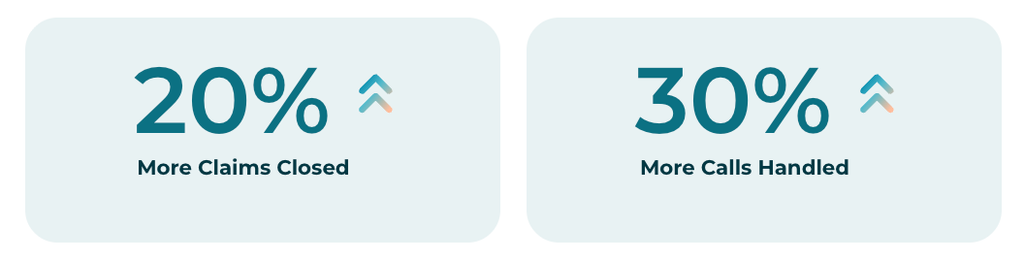
As a result, Dr. Pathak reported that his practice was able to close at least 20% more claims and handle at least 30% more calls. For a small practice, this is an example of why the cost of outsourcing shouldn’t be evaluated based on the service fee alone. You should also consider whether the additional support can help you collect revenue more efficiently and manage a higher volume of administrative work.
Making the Right Medical Billing Decision
Whether you choose an in-house billing department or outsource medical billing services, understanding the complete cost of each approach can help you make a more informed decision. By considering staffing, operational responsibilities, scalability, and long-term value alongside monthly expenses, you can select a solution that supports both your revenue cycle and your practice’s continued growth.
Ultimately, the right choice is the one that best supports your practice’s workflow, financial goals, and future growth. By evaluating both the immediate and long-term impact of your decision, you’ll be better positioned to choose a medical billing solution that supports your practice today and as it continues to grow.
Ready to Find the Right Medical Billing Support?
If outsourced medical billing makes sense for your practice, My Mountain Mover can connect you with a medical virtual assistant who can support your billing and other administrative responsibilities. Our VAs are trained on HIPAA, EHRs, and patient communication, with specialty-specific training provided when required.
Request a quote to learn more about how a medical virtual assistant can support your practice.
Frequently Asked Questions
Will I actually save money if I outsource medical billing?
It depends on your practice’s staffing needs and operational costs. While outsourcing may reduce expenses related to recruiting, training, employee benefits, and management, the overall value should be evaluated alongside the services provided.
Are medical billing services for small practices worth considering?
For many smaller practices, partnering with medical billing services can reduce administrative responsibilities and provide access to experienced billing professionals without expanding internal staff. Whether it’s the right choice depends on your practice’s goals and available resources.
What’s typically included in outsourced medical billing services?
Services vary by provider but commonly include claim submission, payment posting, denial management, insurance follow-up, and revenue cycle reporting. Always review what’s included before comparing pricing.